



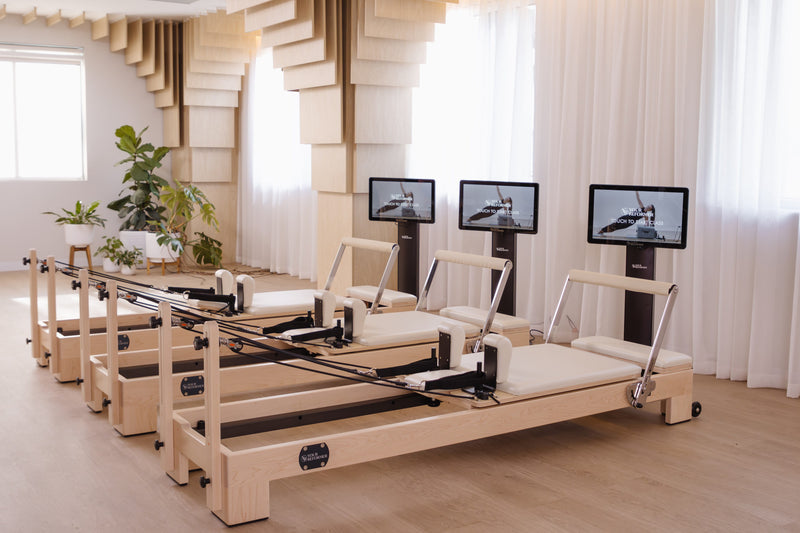
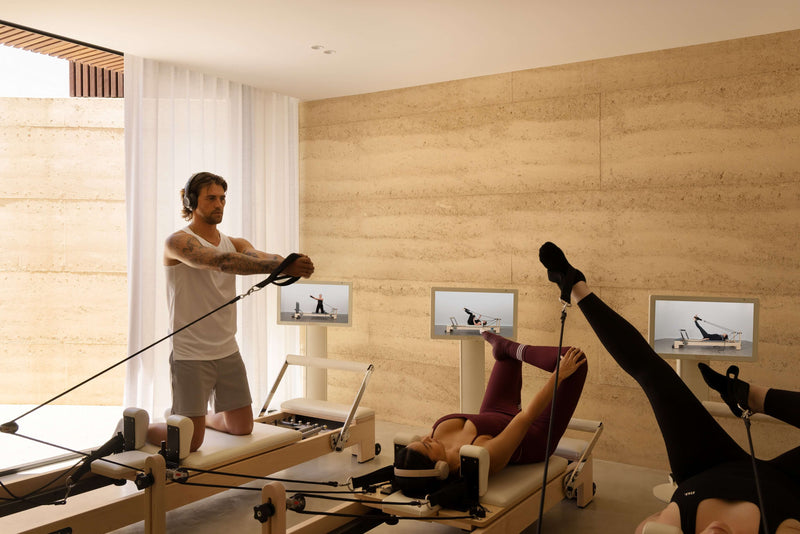

Opening your first Reformer Pilates studio is one of those milestones you picture for years before it happens: your own space, your own community, a room that finally feels like the studio you've always imagined running. Most of what determines whether that first year feels like the dream you pictured, or a year of constantly playing catch-up, happens well before opening day. It's the practical calls: how much space to lease, what to spend on and what to skip, how simple to keep your membership options, how to handle enquiries before you've even hired anyone.
These are the tips Melissa Blakelock, Commercial Lead for Boutique Studios at Your Reformer, shares with first-time studio owners before they sign a lease or take a single booking. It isn't a strategic framework. It's the ground-level detail, learned from watching plenty of studios open, that tends to separate owners who get to enjoy those first few months from those who spend them under pressure.
Negotiate Your Lease Before You Sign
Rent is usually the highest fixed cost a new studio takes on, and it's also the most negotiable, if you go in prepared. Get this one wrong, and it can shadow your finances long after the excitement of opening day has worn off.
Melissa's advice is to negotiate free months on your lease, ideally three, and to plan your opening date so it lands before that period ends. That way, you get a month or two of trading behind you, building momentum and confidence, before the rent kicks in properly.
That only works if you know what you're negotiating against. Before you sign anything, research the going rate for leases in your area so you know what's reasonable and what isn't. That's what gives you the confidence to negotiate hard, or walk away from a price that doesn't stack up, instead of just being grateful someone said yes.
It's also worth looking at what's already around you. Consider the existing studios nearby, how close they are, and how many people actually live in the surrounding area. A great space at a great price still needs enough local demand to fill it with the members you're picturing.
Know Your Needs From Your Wants
A studio fit-out can absorb almost any budget you give it, so the discipline has to come from you, not the space. It's easy to fall in love with every beautiful finish and inclusion a supplier shows you, and just as easy to look up six months later wondering where the budget went.
Melissa's advice here is straightforward: set a clear budget and stick to it. That starts with separating your needs from your wants and deciding on your non-negotiables early, before those conversations start pulling you off course. Focus on what genuinely matters for the studio environment and the feeling you want members to have the moment they walk through your door, then build your spend around that, rather than the other way around. That feeling is the whole point of the studio you're building. Protect it first.
Do It Yourself, Where It Makes Sense
Not every part of the studio needs to be commissioned from scratch, especially in the early stages, and there's something satisfying about a space that carries a little of your own hands in it.
Melissa suggests DIYing where you reasonably can. Use furnishings you already have around your home to get started, and lean on your own skills and your network, family and friends with trades like electrical work, rather than outsourcing everything by default. It won't work for every part of the build, but it's one of the more straightforward ways to protect your budget for the things that do need to be done properly, like your equipment and your space, the parts your members will actually feel.
Keep Your Membership Options Simple
Before you set your own pricing and membership structure, look at what other local studios are already offering. It's a fast way to understand what your market expects and where there might be room to do something differently.
Whatever you land on, keep it simple, and don't overload members with options. Think about someone standing at your front desk on day one, nervous, a little unsure if this is for them. A studio with three or four clear membership tiers makes that decision easy. One with a dozen variations to weigh up can be the difference between a hesitant yes and a walk out the door.
Be Responsive, Even Before You're Fully Staffed
Most first-time studio owners underestimate how much of their reputation gets built before they've hired a single team member, often from someone they've never met and won't see for weeks.
If the studio isn't staffed yet, Melissa's tip is to be very responsive on email and social media. Members and prospective members notice speedy replies, and it gives them confidence in the studio even before it's fully up and running. A fast, friendly response to a DM or an enquiry email costs you nothing but attention, and it might be the moment someone decides to finally give Reformer Pilates a go. That's often someone's first real impression of how your studio operates, long before they ever step onto a Reformer.
Where Your Reformer Fits In
None of this is advice you have to act on alone. Alongside equipment, our Commercial team works with first-time studio owners on exactly these kinds of decisions, from timing your opening around lease negotiations to choosing a business model, On-Demand, Instructor-Led or Hybrid, that fits your budget and the team you're planning to build. It's part of why we think of Your Reformer as more than an equipment supplier: the goal is to help you get these early calls right, so you get to spend your energy on the reason you started this in the first place, not the paperwork behind it.
The Takeaway
Opening a studio takes vision, but the studios that get off to a strong start are usually the ones where someone was also disciplined about the details: the lease, the budget, the membership structure, the responsiveness. Get those right early, and you give yourself the room to actually enjoy what you set out to build, a place where members walk in and feel like they've found somewhere worth coming back to, again and again.
If you're planning your first studio and want to talk through your options, our Commercial team is always happy to have that conversation.